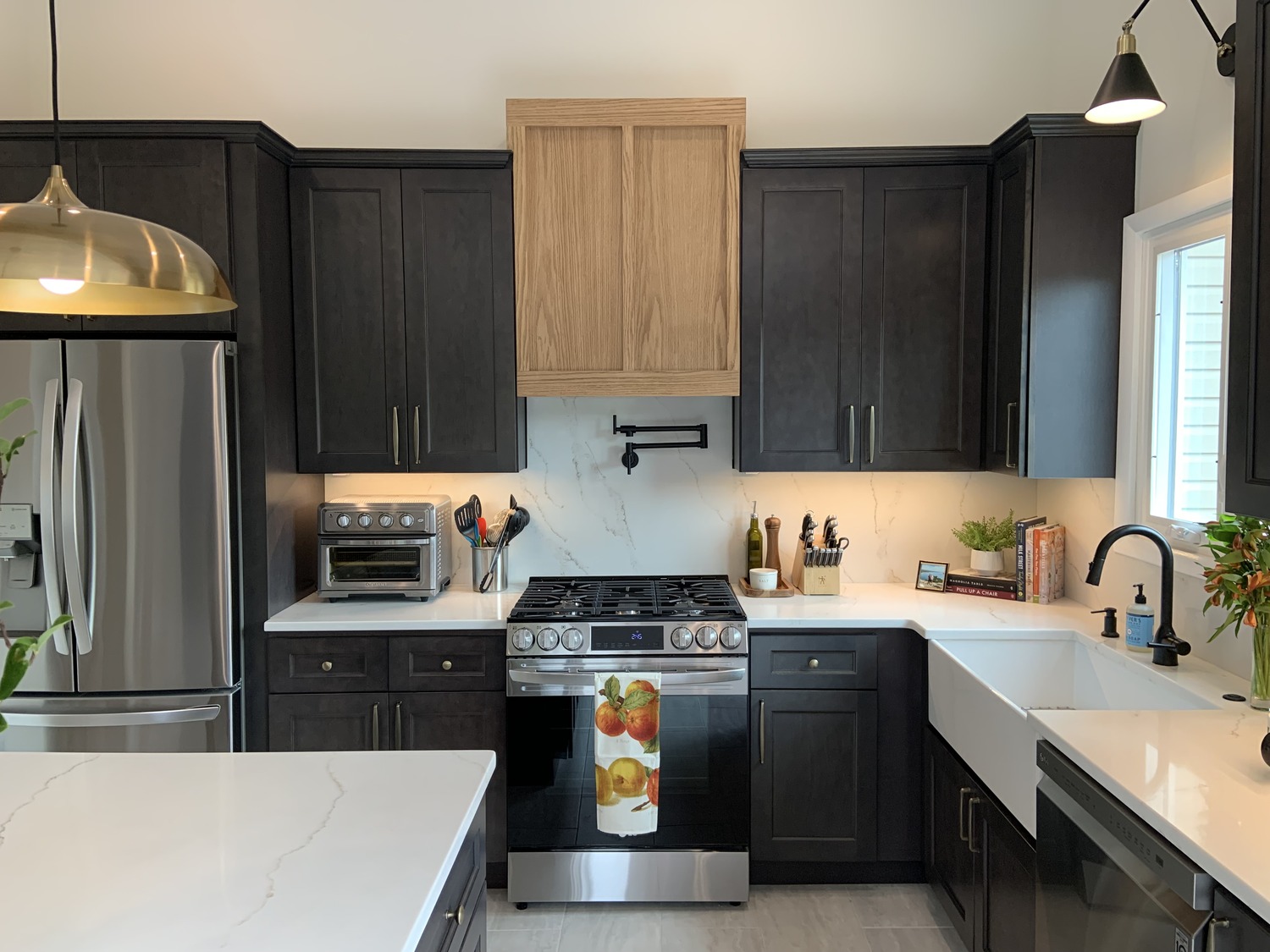
Home remodeling often brings up one practical and emotional question early in the process: can you stay in your house while the work is happening? Some homeowners assume moving out is required, while others plan to stay without fully understanding what day-to-day life may look like during construction.
Home remodeling does not always require moving out, but the right choice depends on the project and your household.
Understanding the pros and cons ahead of time helps you avoid stress, plan realistically, and make a decision that fits how you live.
Why Homeowners Ask This Question So Often
Living through a remodel affects more than convenience. It impacts routines, comfort, safety, and stress levels.
Many homeowners focus on design and timelines but underestimate how much construction changes daily life. Knowing what to expect makes the experience far more manageable.
Can You Really Stay in Your House During Home Remodeling?
In many cases, yes. Homeowners can often stay in their house during home remodeling, especially when work is limited to certain areas or phases.
However, larger or more invasive projects can make staying home uncomfortable or impractical. The right answer depends on the scope of work, the rooms affected, and how flexible your household can be.
Pros of Staying in Your Home During a Remodel
Keeping Familiar Routines
Staying home allows you to maintain many daily habits. Sleeping in your own bed and following familiar routines can reduce stress, especially for families with children or pets.
Easy Access to the Project
Being on-site makes it easier to:
- Answer questions quickly
- Review progress as it happens
- Stay informed without waiting for updates
Some homeowners feel more confident when they can see the work firsthand.
Avoiding Temporary Housing Disruptions
Staying home eliminates the need to:
- Pack and move belongings
- Coordinate short-term housing
- Adjust to a new environment
For many homeowners, avoiding that disruption is a major advantage.
Cons of Staying in Your Home During a Remodel
Ongoing Noise and Dust
Construction brings noise and debris, even with dust control measures in place.
Daily life may involve:
- Loud work during daytime hours
- Dust in shared areas
- Frequent cleaning
Over time, this can become physically and mentally exhausting.
Limited Access to Important Spaces
Some remodels affect essential areas of the home.
You may temporarily lose access to:
- Kitchens
- Bathrooms
- Living spaces
- Entryways
Working around these limitations requires patience and planning.
Disrupted Work and Home Life
For those who work from home or manage busy schedules, construction noise and activity can make focus difficult.
Privacy may be limited, and simple tasks can take longer than usual.
Which Remodels Are Easier to Live Through?
Projects That Are Often Manageable
Some home remodeling projects are easier to live through than others.
These often include:
- Basement remodeling
- Single-room updates
- Cosmetic renovations
- Exterior-focused projects
These types of remodels usually allow homeowners to keep essential living spaces functional.
Which Remodels Make Staying Home More Difficult?
Projects That Disrupt Daily Life
Other remodels can significantly impact comfort and routine.
These commonly include:
- Full kitchen remodels
- Bathroom remodels in homes with limited bathrooms
- Structural changes
- Whole-home renovations
In these cases, staying home can increase stress rather than reduce it.
Safety Considerations During Home Remodeling
Why Safety Matters
Construction zones often include:
- Exposed wiring
- Open flooring or framing
- Tools and materials
These conditions can be risky, especially for children or pets. Restricted access to certain areas may be necessary.
Emotional Effects of Living Through a Remodel
Renovation Stress Is Normal
Living in a construction environment can feel draining over time.
Homeowners may experience:
- Decision fatigue
- Loss of privacy
- Frustration with delays
- Feeling unsettled in their own home
These reactions are common and often build gradually.
How Planning Helps Reduce Remodel Stress
Preparation Makes a Difference
If you plan to stay home during a remodel, preparation is key.
Helpful planning steps include:
- Setting expectations early
- Establishing work hours
- Creating quiet zones
- Planning temporary kitchen or bathroom setups
Knowing what to expect reduces anxiety.
Practical Tips for Staying Comfortable During a Remodel
Small Adjustments That Help
If you choose to remain in your home:
- Set up temporary living areas
- Keep daily essentials accessible
- Schedule time away when possible
- Communicate concerns early
These steps help protect comfort and patience.
When Moving Out May Be the Better Choice
Signs Temporary Relocation Makes Sense
Moving out may be worth considering if:
- Essential rooms are unusable for extended periods
- Noise or dust affects health or work
- Safety becomes a concern
- Stress levels continue to rise
Choosing to relocate temporarily is often about comfort, not failure.
Making the Right Decision for Your Household
Every home and family is different.
Some homeowners prefer staying involved and adjusting daily. Others value peace and routine and choose to move out. The best decision is the one that supports your well-being during the project.
Final Thoughts on Staying Home During a Remodel
Home remodeling always brings disruption, but it does not have to bring regret.
Understanding the pros and cons ahead of time helps you plan with confidence and avoid surprises. The goal is not just a finished space, but a process you can live with.
About Grimes Construction
Grimes Construction Inc. is a family-owned remodeling company serving homeowners throughout Delaware County, PA. With decades of experience, the team helps homeowners plan projects realistically, including whether staying home during a remodel makes sense.
If you are planning home remodeling in Delaware County, PA and want clear guidance on what to expect, working with an experienced team can help you make informed decisions and move forward with confidence.