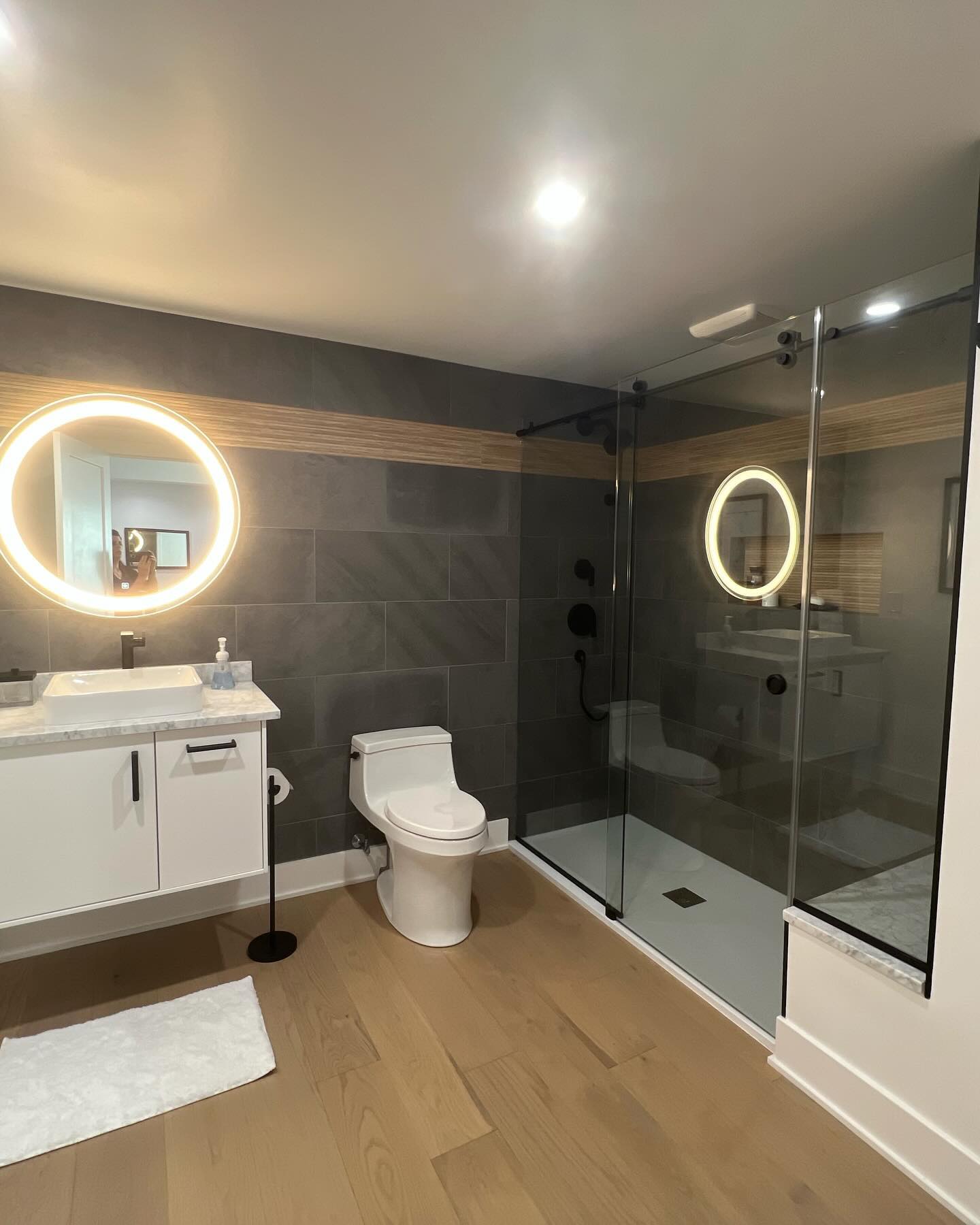
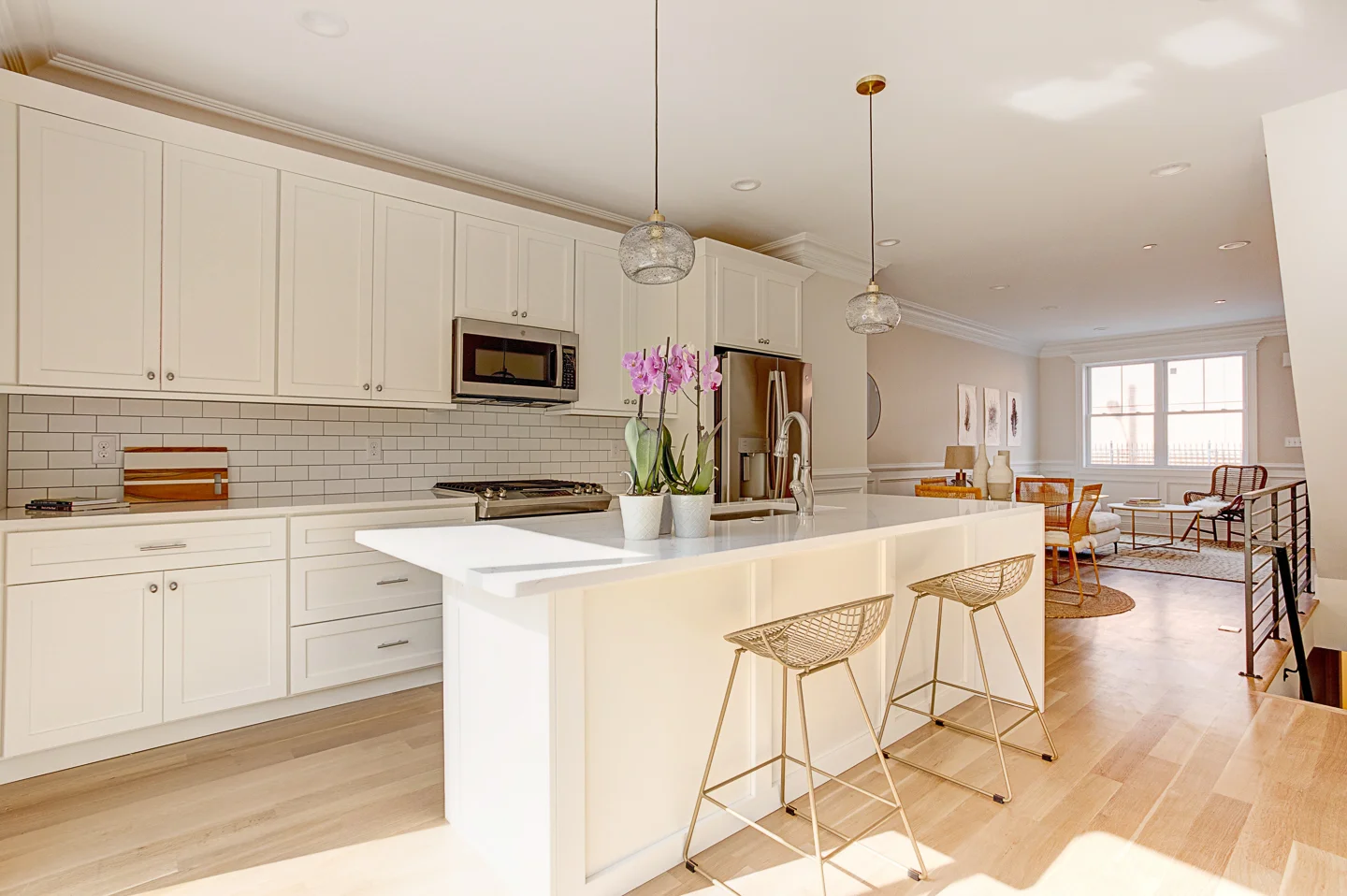
Key point: Remodel when your location, lot, and home can realistically support the way you want to live after a carefully scoped renovation. Move when the problem is the property itself, such as an unworkable location, lot, commute, or limitation that a sensible renovation cannot solve.
- A whole-home remodel and a move both have hidden costs. The right comparison includes transaction expenses, immediate repairs, temporary disruption, design and construction scope, and the value of staying in a location you already know.
- The shorter-looking path is not always the faster one. Selling, buying, closing, moving, and settling into a new house involve dependencies just as a complete home remodel requires design, approvals, material coordination, and construction.
- Return on investment is only part of the decision. The National Association of REALTORS® assesses remodeling through estimated cost recovery, buyer demand, and homeowner satisfaction rather than a single universal ROI figure. Read NAR’s Remodeling Impact overview.
The Real Question Is “Can This House Become the Right Home?”
Homeowners rarely start by saying they want a complete home remodel. They say the kitchen is too closed off, the primary bathroom does not work, the first floor feels cramped, there is no quiet place to work, or the home no longer supports the way their family lives.
Then comes the difficult question: “Should we put energy into this house, or should we leave it?” It is tempting to turn that choice into a simple comparison between a renovation estimate and a new home’s list price. That leaves out too much.
The better decision begins with feasibility. Can the property, layout, and location become what you need with a whole home remodeling plan that makes sense? Or would you still be compromising on the things that matter most once the work is complete?
When a Whole-Home Remodel Is the More Rational Choice
Renovating usually makes more sense when you like where you live and the home’s limitations are primarily about layout, function, condition, or finishes. A design build firm can often help connect rooms, improve storage and circulation, update older systems, and make the house feel like it was designed for your household rather than a previous era.
This option is particularly worth exploring when the school district, neighbors, commute, yard, or community connection already work well. The question is not whether the house is perfect today. It is whether the home has a realistic path to becoming right for the next stage of your life.
The uncomfortable question: “Will we spend all this time renovating and still wish we had moved?”
That risk is real when the renovation is expected to solve a problem the property cannot solve. If you need a larger lot, a radically different location, a shorter commute, or something the home cannot support within a sensible scope, remodeling may only delay the decision to move.
A whole-house remodel is more compelling when the limitations are inside the home or can be addressed through an addition or reconfiguration. Before you commit, ask a design build firm to assess what is feasible, what needs verification, and what compromises will remain after the work is complete.
For a helpful first step, review Grimes Construction’s guide to planning a whole-home upgrade without overwhelm. A realistic discovery process should clarify what can change before the design is treated as a promise.
The Real Cost Comparison Includes More Than a Sale Price or a Remodel Scope
A complete cost analysis should not reduce the choice to one number. Both paths include direct expenses, disruption, and practical trade-offs that can be easy to overlook early in the decision.
| Cost category | If you move | If you renovate |
|---|---|---|
| Property transaction | Selling preparation, professional fees, closing costs, moving, and purchase-related expenses | No sale or purchase transaction, but a clear design and construction scope is required |
| Condition surprises | A new house may still need repairs, updates, or personalization after closing | Existing conditions may need attention once walls, floors, or systems are opened |
| Temporary disruption | Showings, packing, closing uncertainty, moving day, and the adjustment to a new location | Construction activity, disrupted rooms, dust control, temporary routines, and potentially temporary relocation |
| Customization | You may compromise on layout or features to secure a location and property within your search | You can prioritize the layout, storage, room relationships, and finishes that best fit your household |
| Future flexibility | The new property may offer more room, different location benefits, or another lifestyle fit | A flexible redesign can improve how the current home adapts as household needs change |
Moving can be the smarter path if the property’s fundamental limitations are unfixable. Remodeling can be the stronger investment if moving would involve paying to leave a location you value, only to purchase another home that still needs significant work.
The National Association of REALTORS® frames remodeling results through buyer demand, estimated cost recovery, and homeowner satisfaction. That is a useful reminder that home remodeling return on investment should be evaluated alongside the quality of life the project creates, not as an isolated resale promise. See the NAR report framework.
The Timeline You Need to Compare Is the Entire Decision, Not Just Construction
A home remodeling timeline and a moving timeline both contain quiet phases that are easy to underestimate. The work does not begin only when demolition starts, and a move does not begin only when boxes go into a truck.
| Decision stage | Renovate | Move |
|---|---|---|
| Clarify the goal | Identify the rooms, systems, and daily frustrations the project must resolve | Define location, space, condition, commute, and lifestyle requirements for the next home |
| Assess feasibility | Review layout, structure, utilities, approvals, and the existing home’s limits | Review available properties, financing, market conditions, and trade-offs in each option |
| Make decisions | Develop the design, select materials, coordinate approvals, and finalize scope | Prepare the current home, market it, evaluate homes, negotiate, and coordinate closing |
| Complete the transition | Construction, inspections, final details, and re-establishing household routines | Packing, moving, closing, immediate repairs, and adapting to the new home and neighborhood |
The point is not that the two timelines are equal. They are different. A renovation timeline is shaped by design complexity, existing conditions, approvals, material availability, and the sequence of skilled work. A moving timeline is shaped by the housing search, sale preparation, buyer and seller negotiations, financing, closing, and the move itself.
“Can we live in the house during a complete home remodel?”
Sometimes, but the answer depends on which rooms are affected, how long utilities or access will be interrupted, whether the kitchen and bathrooms remain usable, and how dust and safety will be managed. Do not assume that a whole-house remodel automatically requires leaving, or that it can be comfortably completed while every room remains available.
Grimes Construction’s guide to staying at home during a remodel explains the questions that should be resolved before your household decides on a temporary living plan. A transparent home remodeling timeline identifies these disruptions early rather than treating them as a surprise once work begins.
The Scope Test: Are You Improving the House or Fighting the Property?
The most important step in the renovate-or-move decision is separating solvable problems from permanent constraints. This table helps homeowners identify which direction deserves a closer look.
| Your current concern | Renovation is worth investigating when… | Moving may be the stronger option when… |
|---|---|---|
| Kitchen or first-floor layout | Reconfiguration, storage, and better room connections could solve the everyday problem | The needed space cannot be created without a scope that no longer makes sense for the property |
| Bathrooms and daily comfort | A redesigned bathroom can improve privacy, storage, accessibility, or moisture management | The home cannot reasonably support the required number or type of bathrooms |
| Work, guest, or family space | The existing footprint can be reorganized or expanded in a practical way | The lot, structure, or zoning constraint prevents the added space you truly need |
| Systems and maintenance | Updating systems is part of a larger long-term plan for a location you want to keep | The home carries condition issues beyond what you want to take on |
| Location and lifestyle | You value the location and the home is the part that needs to change | The location, commute, lot, or community fit is the real reason you are unhappy |
“Are we over-improving for our neighborhood?”
This is a valid question, especially if resale is a major part of the decision. The answer depends on your expected length of ownership, what buyers in the immediate area expect, the condition of comparable homes, and how much of the project is personal versus broadly functional.
A good whole home remodeling plan does not have to be generic to be thoughtful for future resale. Aim first for durable craftsmanship, sound systems, coherent design, and better use of the home. Then make personal choices with a clear understanding of how long you expect to enjoy them.
A Realistic Whole-Home Plan Starts With the Rooms That Affect Every Day
Whole-home remodeling does not mean that every room receives the same level of change. Many successful plans begin with the rooms that affect daily function most, then coordinate the work so the home feels consistent rather than piecemeal.
For example, a first-floor renovation may change how the kitchen, dining, family, and work areas connect. A kitchen remodel can improve storage and function, while a bathroom plan can address comfort, privacy, or long-term accessibility. The right sequence depends on the existing house and the outcomes you need from the complete plan.
Read Grimes Construction’s first-floor renovation timeline guide for a closer look at phased planning. You can also review the kitchen remodel cost breakdown and bathroom remodeling cost guide to understand the scope drivers that should be coordinated within a larger renovation.
Five Questions to Answer Before Choosing Renovate or Move
Write down your answers before you start comparing listings or requesting design ideas. The honest pattern is often more useful than the first emotional reaction.
| Question | Why it matters |
|---|---|
| What is the one problem a new address would solve that a renovation cannot? | It tests whether the location or property itself is the true issue. |
| Which daily frustrations would a whole-home remodel need to eliminate? | It turns a vague wish list into functional goals. |
| What must be verified before we decide the scope is feasible? | It brings structure, utilities, approvals, and property limits into the discussion early. |
| How much disruption can our household reasonably manage? | It makes the timeline and temporary-living decision realistic. |
| How long do we plan to enjoy the finished home? | It helps balance resale considerations with the value of living better now. |
Choose the Path That Solves the Real Constraint
Renovating is not automatically better because you already own the home. Moving is not automatically better because it appears to offer a clean start. The right path is the one that resolves the real limitation without creating a larger compromise somewhere else.
For Delaware County homeowners considering whole home remodeling, Grimes Construction can help you assess your current home before you decide that moving is the only answer. A consultation can clarify feasibility, design options, project sequencing, and the trade-offs that belong in a complete decision.
Whole-Home Remodeling and Moving Questions Homeowners Ask Next
Is it less expensive to renovate or move?
There is no universal answer. Compare the full moving path, including sale preparation, transaction and moving expenses, immediate work at the next house, and the loss of a location you value, against the complete renovation scope and the disruption of construction. The useful comparison is specific to your property, goals, and next stage of life.
How long does a whole-home remodel take?
The timeline depends on the scope, design complexity, existing conditions, approvals, selections, material coordination, construction sequence, and inspection requirements. A design build firm should outline the major phases and household disruptions after the home is assessed, rather than giving a calendar promise before those facts are known.
When should I move instead of renovate?
Moving deserves serious consideration when the property cannot reasonably provide what you need, such as a different location, a larger lot, a shorter commute, or a structural limitation that would require an impractical scope. If the location still fits and the problems are mostly layout, condition, or function, renovation is often worth exploring before you leave.